Beatitudes Explained: Meaning, Origin & Daily Application
When we look at the Sermon on the Mount, the opening section often feels like a radical reversal of everything the world values. Having the Beatitudes explained helps us see that Jesus was not merely offering a list of rules, but a description of the character that defines those who belong to the Kingdom of Heaven.
By examining these teachings, we discover a pathway to true contentment that remains steady regardless of our external circumstances. This article provides a clear look at these verses to help you grow in your faith and apply these ancient truths to your modern life.
The Core Meaning of the Beatitudes

At its simplest level, the term blessed refers to a state of deep, spiritual satisfaction that is independent of worldly success. When Jesus shares these words in the book of Matthew, he is teaching his followers that the values of God are entirely different from the values of the surrounding culture. While the world chases power, wealth, and status, Jesus highlights the importance of humility, grief over sin, and a hunger for justice.
Understanding the Beatitudes means recognizing that they describe the heart of a believer. They are not a set of legalistic requirements we must achieve to earn God’s favor, but rather the natural fruit of a life transformed by the Holy Spirit. When we allow these truths to take root in our lives, we find ourselves becoming more like the Savior who first spoke them.
Historical and Spiritual Context
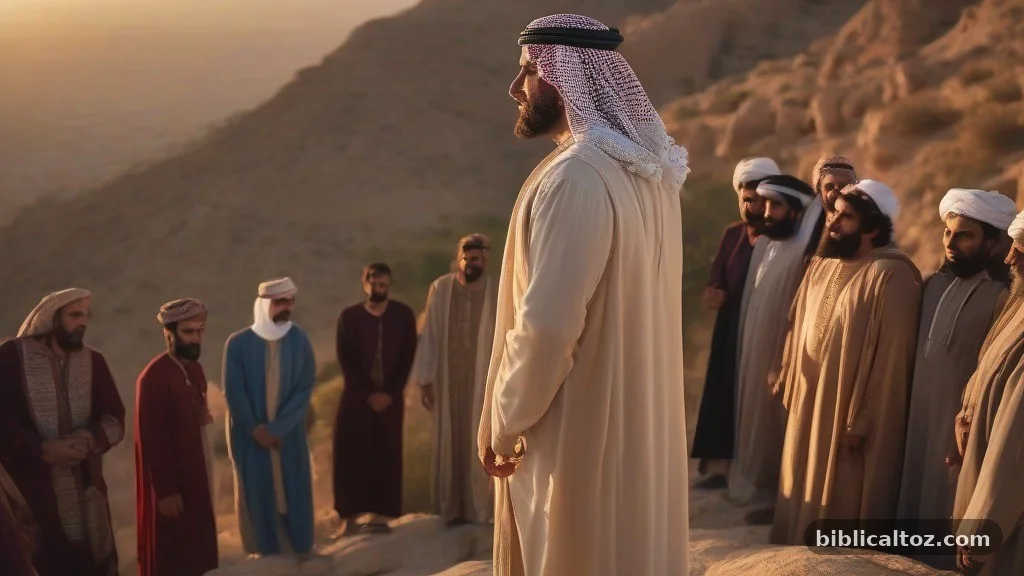
To appreciate this passage, we must look at the setting in which Jesus spoke. He was addressing his disciples and a large crowd of people in Israel who were living under the weight of Roman occupation and religious rigidness. The listeners were longing for a leader who would bring restoration, and Jesus presented a vision of the Kingdom that was far more profound than any political revolution.
The author, Matthew, carefully records these words to show that Jesus is the true King who fulfills the law and the prophets. By sitting on a mountain to deliver this teaching, he mirrors the imagery of Moses receiving the law on Mount Sinai, yet he brings a new level of internal transformation. This context is essential because it reminds us that these teachings were meant for real people facing real hardship, offering them hope that their current struggles were not the end of their story.
Scriptural Breakdown of the Eight Blessings

The Beatitudes consist of eight distinct declarations, each pairing a specific condition with a divine promise. Below is a summary of these key teachings and what they signify for our spiritual growth:
| Condition | Divine Promise |
|---|---|
| Poor in spirit | Theirs is the Kingdom of Heaven |
| Those who mourn | They shall be comforted |
| The meek | They shall inherit the earth |
| Hungering for righteousness | They shall be filled |
| The merciful | They shall obtain mercy |
| Pure in heart | They shall see God |
| Peacemakers | They shall be called children of God |
| Persecuted for righteousness | Theirs is the Kingdom of Heaven |
Each of these points represents a shift in focus. For example, being poor in spirit acknowledges our total dependence on God, while being a peacemaker involves actively working to resolve conflict in a broken world. These are not merely passive states; they are active postures of the heart that invite God’s presence into our daily interactions with others.
Applying These Teachings to Daily Life

Living out the Beatitudes in the modern world requires intentionality and a willingness to be different. It means choosing to show mercy when you are wronged and seeking peace even when it is difficult to do so. This character development happens in the small moments of our lives: how we treat a difficult coworker, how we handle our finances, and how we respond to personal failure.
- Practice humility by listening more than you speak in tense conversations.
- Seek comfort in God during times of grief rather than turning to temporary distractions.
- Pursue justice for others, even when it does not benefit you personally.
- Cultivate a pure heart by being honest about your motives and desires.
- Extend forgiveness to those who have hurt you as a reflection of the mercy you have received.
By focusing on these areas, you begin to align your life with the principles of the Kingdom of Heaven. It is a journey of transformation that happens one step at a time, supported by prayer and the reading of Scripture.
Common Misunderstandings
People often struggle to grasp the full intent of these verses. Here are a few common misconceptions:
WHAT PEOPLE SOMETIMES THINK: The Beatitudes are a list of requirements to earn salvation.
WHAT SCRIPTURE ACTUALLY TEACHES: These are descriptions of those who are already living under the grace of God.
WHAT PEOPLE SOMETIMES THINK: Being meek means being weak or passive.
WHAT SCRIPTURE ACTUALLY TEACHES: Meekness is strength under control, similar to a wild horse that has been trained.
WHAT PEOPLE SOMETIMES THINK: The promise of the Kingdom is only for the future.
WHAT SCRIPTURE ACTUALLY TEACHES: The Kingdom of Heaven is a present reality that begins the moment we follow Jesus.
WHAT PEOPLE SOMETIMES THINK: These verses suggest we should enjoy being sad.
WHAT SCRIPTURE ACTUALLY TEACHES: We are encouraged to grieve over the brokenness of the world and our own sin, which leads to spiritual healing.
Frequently Asked Questions
Why are there eight beatitudes instead of ten?
The number eight is significant in biblical symbolism, often representing a new beginning or a new order. While the Ten Commandments provided the structure for Israel’s conduct, the eight Beatitudes provide the internal character necessary for those living under the new covenant initiated by Jesus.
How do I start living these out if I feel like I fail often?
Remember that these are not about perfection, but about the direction of your heart. When you fail, lean into the mercy of God, which is exactly what the Beatitudes encourage. Your awareness of your own need for grace actually places you in the position of being poor in spirit, which is the very first step.
Are the Beatitudes meant for everyone or just the disciples?
While Jesus spoke them directly to his disciples, he was also speaking to the crowds. The teachings are universal in their application, intended for anyone who desires to live a life that honors God and reflects his character to the world.
What does it mean to hunger for righteousness?
It refers to a deep, driving desire for things to be made right according to God’s standards. It is an active pursuit of holiness in our personal lives and justice in our communities, trusting that God will satisfy that longing in his own way and time.
Can these teachings actually work in a competitive workplace?
Absolutely. While the world values climbing the ladder, a person who is meek and merciful can have a profound impact by building others up, resolving conflicts, and acting with integrity. Your character becomes a witness that points others toward the truth of the Gospel.
How do I balance being a peacemaker with standing up for truth?
Being a peacemaker does not mean avoiding conflict at all costs. It means approaching conflict with a heart that seeks restoration and reconciliation, rather than victory or revenge. It is about speaking the truth in love, ensuring that your words are seasoned with grace even when you must hold firm to your convictions.
Final Thoughts
The beauty of having the Beatitudes explained lies in how they call us toward a higher way of living. They invite us to step out of the cycle of worldly comparison and into the freedom of being children of God.
As you reflect on these verses, remember that you do not have to embody these traits through your own strength alone. God is the one who transforms our hearts, turning our mourning into comfort and our hunger into fulfillment.
Take a moment this week to pray through one of the Beatitudes each day. Ask God to show you how that specific quality can be expressed in your current circumstances, whether at home, work, or in your community.
As you grow in these areas, you will find that the peace of God becomes more present in your life. For more encouragement on your faith journey, visit BiblicalToZ to explore additional resources on living out the teachings of Jesus.