Why Do Christians Pray? Understanding the Biblical Purpose?
When people ask why Christians pray, they are often looking for the heart behind the practice rather than just a list of rules. Prayer is not merely a religious obligation or a way to get what we want; it is the fundamental rhythm of a relationship with the Creator.
By exploring why Christians pray, we find that it serves as an anchor for the soul and a primary way to align our hearts with the will of God. Whether in times of celebration or deep trial, this practice invites us into a conversation that transforms how we view our daily lives and our eternal destiny.
The Direct Biblical Answer
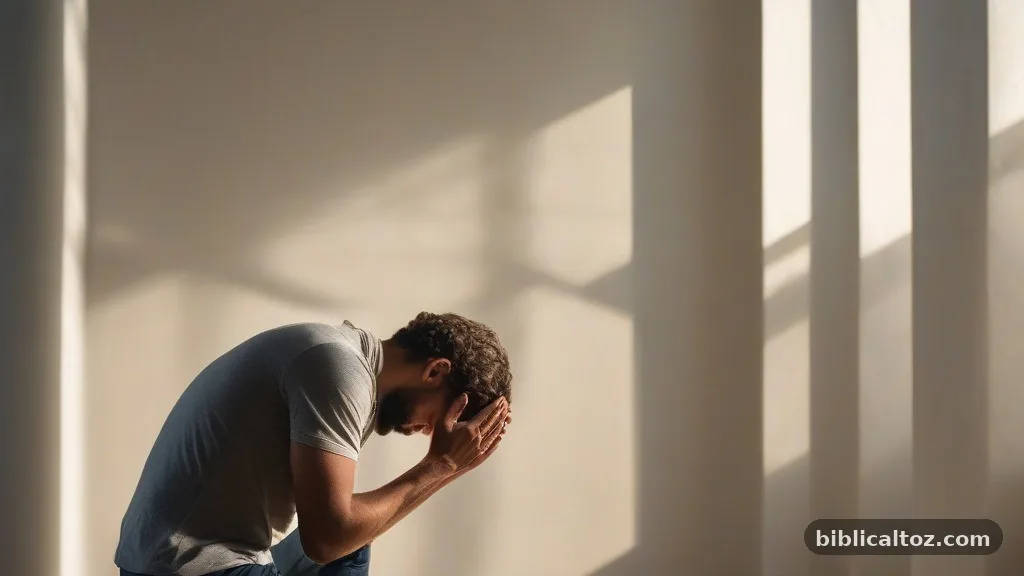
At its core, prayer is a command and a privilege rooted in the desire for communion with God. Scripture reveals that we are invited to approach the throne of grace with confidence, not because of our own merit, but because of the work of Jesus.
It is the primary means by which we express our dependence on Him for everything, from our daily bread to the forgiveness of our sins. When we pray, we are acknowledging that He is the source of all life and that we cannot navigate the world apart from His guidance and grace.
Biblical Foundation of Prayer

The foundation of this practice is built on the reality that God desires an intimate connection with His children. In the Bible, we see that prayer is not just about asking for things, but about aligning our perspective with the mind of Christ.
It is a way to cast our burdens upon Him because He cares for us. We find that the Scriptures consistently emphasize the posture of the heart over the eloquence of our words.
| Purpose | Scriptural Focus |
|---|---|
| Adoration | Recognizing God’s holiness and sovereignty. |
| Confession | Seeking forgiveness and restoration. |
| Thanksgiving | Acknowledging God’s ongoing provision. |
| Supplication | Bringing personal and communal needs. |
Biblical Examples of Devotion
Throughout the Bible, we see men and women who used prayer as their lifeline during intense circumstances. Jesus often withdrew to desolate places to pray, demonstrating that even the Son of God prioritized this intimate time with the Father. Daniel continued to pray three times a day, even when it meant facing the lion’s den, showing that his allegiance to God outweighed his fear of man.
David’s psalms offer a raw, honest look at prayer that includes everything from exuberant praise to desperate pleas for help. These figures show us that prayer is a dynamic, honest, and necessary part of a faithful life.
Characteristics of Effective Prayer

Effective prayer is marked by sincerity, humility, and persistence. It is not about using many words to impress God, but about speaking with the honesty of a child talking to a loving parent.
Many believers find that structuring their prayer life helps them stay consistent throughout the week. Common elements of a balanced prayer life include:
- Humility: Approaching God with a recognition of our own limitations.
- Persistence: Continuing to seek God even when answers seem delayed.
- Alignment: Asking for His will to be done above our own desires.
- Gratitude: Starting with a heart of thanks for who He is.
Practical Steps for Daily Prayer
If you want to grow in your prayer life, start by setting aside a specific time each day. You do not need complex resources to get started; simply find a quiet place and open your Bible to a Psalm or a Gospel passage. Begin by thanking God for one thing you noticed today, then share your honest struggles with Him.
If you find your mind wandering, gently bring it back to a simple focus on God’s presence. Consistency is more important than length, so start with five or ten minutes and build from there.
Common Misconceptions
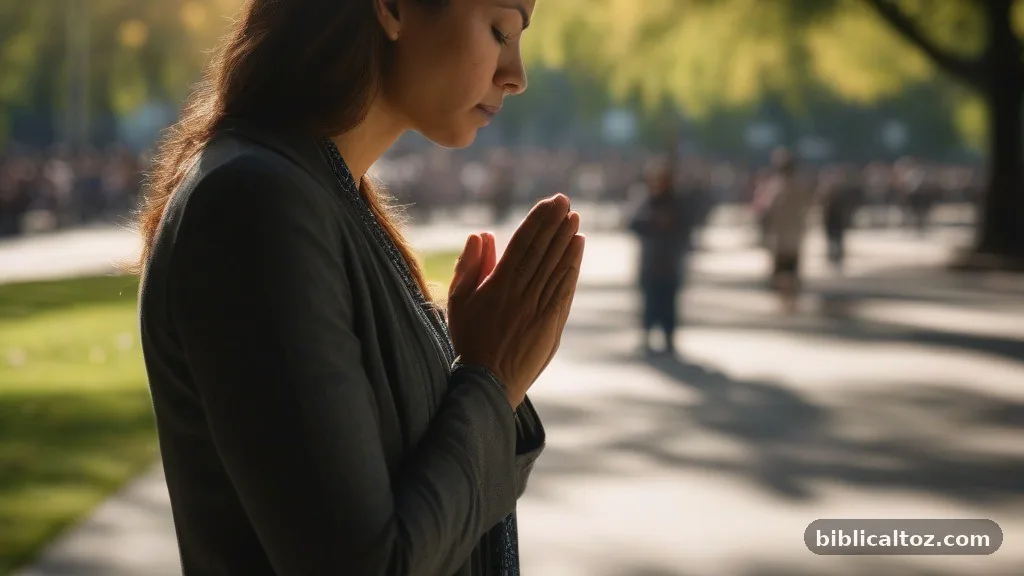
Many people mistakenly believe that prayer is only for “holy” people or that it requires a specific, formal language. Another common error is thinking that if we do not get what we ask for, our prayers were ineffective or unheard. Some believe we must be in a church building for God to hear us, yet Scripture tells us He is everywhere.
Finally, some feel that because God already knows our needs, we do not need to pray at all. These views ignore the relational aspect of prayer, which is about the connection itself rather than just the outcome.
Related Bible Verses
* Philippians 4:6: Encourages us to bring everything to God with thanksgiving.
* 1 Thessalonians 5:17: Commands us to pray without ceasing.
* Matthew 6:9-13: The Model Prayer provided by Jesus for His disciples.
* James 5:16: Highlights the power of the prayers of the righteous.
* Jeremiah 33:3: A promise that God answers when we call upon Him.
* Psalm 55:17: Illustrates the habit of praying morning, noon, and evening.
* Hebrews 4:16: Invites us to approach the throne of grace with boldness.
* Luke 18:1: Encourages us to keep praying and not lose heart.
Frequently Asked Questions
Does God hear prayers if I am not perfect?
God does not hear us because of our perfection, but because of the righteousness of Jesus. Our access to Him is based on His grace, not our performance.
How do I know if I am praying correctly?
Prayer is a relationship, not a technical skill. If your heart is turned toward God in sincerity and you are seeking His will, you are praying in a way that honors Him.
Why does it feel like God is silent sometimes?
Silence is often a time for us to grow in faith and patience. It does not mean He is absent, but that He may be working in ways we cannot yet perceive.
Can I pray about small, everyday things?
Absolutely; Scripture encourages us to cast all our cares upon Him. No detail of your life is too small for the God who knows the number of hairs on your head.
Conclusion
The practice of prayer is the heartbeat of the Christian faith, serving as the primary way we maintain our relationship with God. It is through these moments of quiet reflection and honest conversation that we find the strength to face the challenges of life. Whether you are seeking comfort in a difficult time or simply wanting to draw closer to the Creator, remember that your prayers are a vital part of your journey.